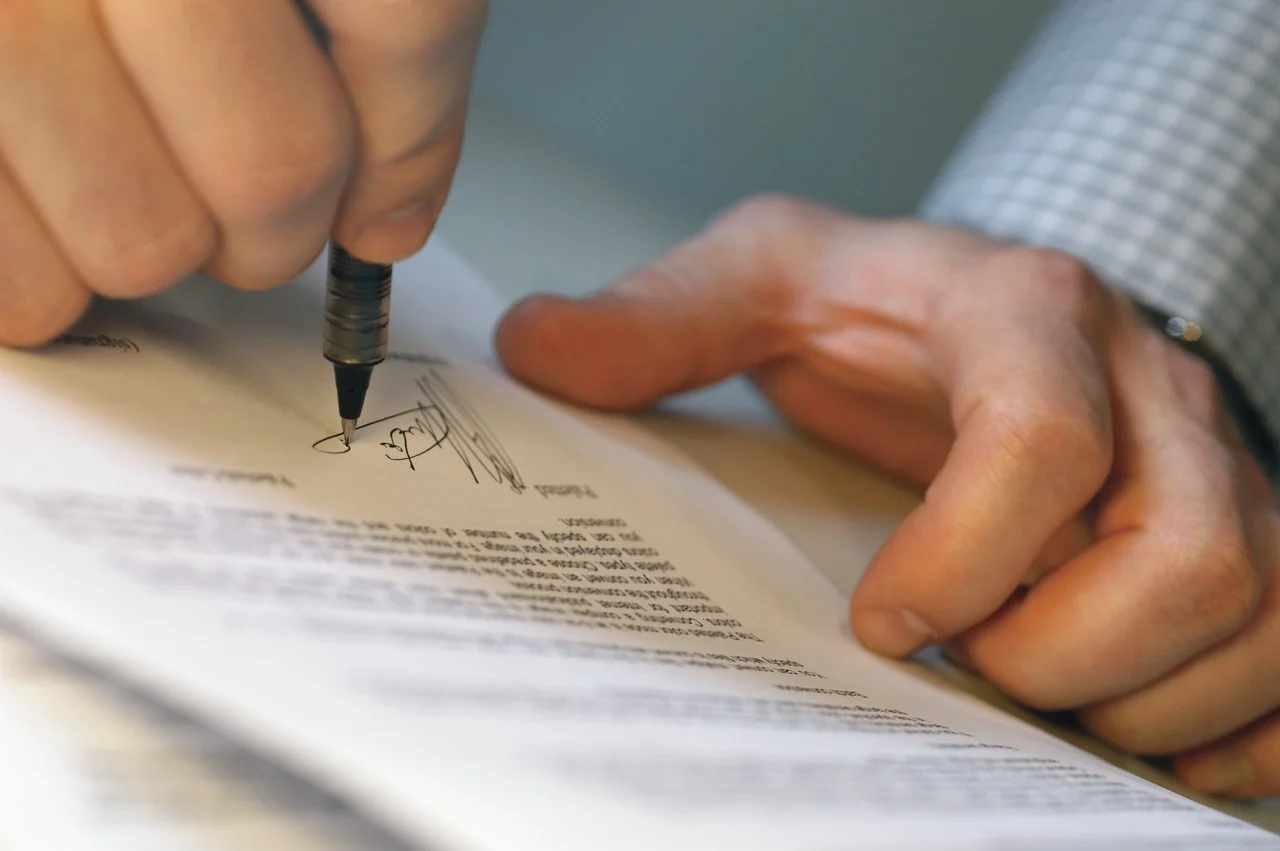
Cheque Bounce Notice u/s 138 (Drafting)

Service

Cheque Bounce Notice u/s 138 (Drafting)

A check bounce notice: What is it?

When a check bounces because the drawers' account does not have enough money to cover the check amount, a notice known as a "check bounce notice" is sent out in accordance with Section 138 of the Negotiable Instruments Act. The check bounce notice cannot be sent if the check bounces for any other reason than insufficient money, and the payee may request that the check be resubmitted.

What's Included in Our Service?

Book A Consultation

Contact Form Demo (#5)

How can we help you?

Need Help with Legal Drafting or Registration? Talk to Our Experts Now!


Our Assurance

Transparent & Timely Service

There are no hidden fees or delays—only straightforward communication, quick turnaround, and dependable legal support from start to finish.

Accuracy & Compliance

We ensure that every legal document and process is drafted precisely and in complete compliance with current laws and government regulations.

Confidentiality Guaranteed

Your personal information and legal documents will be treated with strict secrecy and data security. We maintain confidentiality with care

Frequently Asked Questions (FAQs)

The notice must be sent within 30 days of receiving the bank’s return memo stating that the cheque has bounced. Timely action is crucial to keep your legal rights protected.

To commence a prosecution under Section 138, fulfill the three prerequisite precedents listed below:
• Return the cheque to the bank within three months after its issuance or within the period of validity. (Previously, the validity term of cheques was regarded to be six months; however, the Reserve Bank of India, via Notification No. RBI/2011-12/251DBOD.AML BC.No.47/14.01.001/2011-12, directed that the validity period of cheques be reduced from six months to three months with effect from April 1, 2012.).
• After the cheque is returned unpaid, the payee [person receiving the money] should have submitted a demand for payment to the Payor [person liable to pay the money] via registered notice.

• The Payor failed to pay the amount within 30 days of receiving notification. The prosecution for the offence under Section 138 can only be undertaken if both of the elements listed above are met.

You'll need:

  • A copy of the bounced check.
  • Bank return memo
  • Invoice or agreement, if available.
  • Your contact information and transaction background

In addition to the criminal offence, bounced checks can have an impact on creditworthiness or credit history. Bounced checks are not often reported on standard credit reports, although they do appear on bank account statements. Banks, both nationalized and non-banking financial institutions, now ask customers to provide bank statements for up to a year before any loan can be processed. A bank statement with a high number of cheque bounces might have an impact on loan eligibility and creditworthiness.

Yes, however a warning that is not correctly drafted or consistent with legal standards could undermine your case. It is recommended that it be drafted by a legal professional to ensure enforceability.

Our Simple 3-Step Journey

Your Legal Path with Legal Vedas


Reach Out to Us

"Fill out the contact form, call us directly, or connect with our team on WhatsApp to share your legal service requirement.

Get Personalised Guidance

Our legal specialist will communicate with you, understand your requirements, and walk you through the paperwork or writing process.

Our Latest Blogs

Latest legal Information

Behind the word mountains, far from the countries Vokalia and Consonantia, there live the blind texts they live

Subscribe Now

Don’t miss our future updates! Get Subscribed Today!

Subscription Form (#4)

©2025. Legal Vedas. All Rights Reserved.